
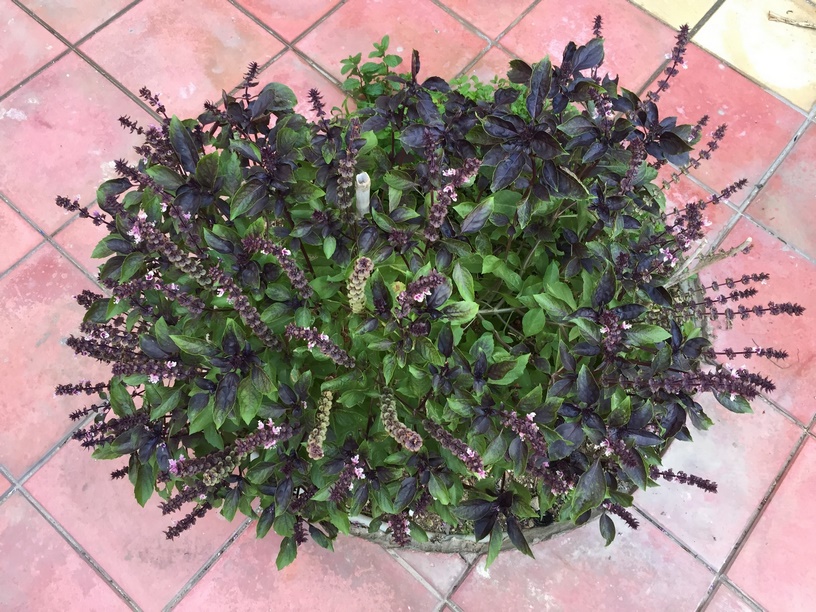
No herb garden is complete without some basil plants. Basil is one of the easiest herbs to grow from seed, and once you have grown it, collecting the seeds is very easy: you just need to know when and how to collect basil seeds. Saving seeds from your favorite variety means you get the same taste and cultivar again next year, for free.
In this guide you'll learn when basil seeds are ready, how to collect and dry them, how to store them so they stay viable for years, and how to avoid cross-pollination.
Last updated: October 2026. This post contains affiliate links. As an Amazon Associate I earn from qualifying purchases, at no extra cost to you.
Quick answer: Let a basil plant flower, and wait until the flower pods turn brown and dry on the stalk. Cut the stalks, dry them for a week or two, then crumble the pods between your fingers to release the small, round, black seeds. Store them completely dry in a labeled glass jar in a cool, dark place, where they stay viable for up to about 5 years.
{getToc} $title={Table of Contents}
Why Collect Your Own Basil Seeds?
- It saves money. One healthy plant gives you far more seeds than a packet.
- You keep your favorite variety. Seeds from the plant with the best flavor and growth give you more of the same.
- You can share. Extra seeds make a great gift for gardening friends and family.
- You become more self-sufficient. It's an easy step toward growing basil year after year.
Prevent Cross-Pollination First

Different varieties of basil cross-pollinate, so seeds from a plant growing next to another variety may not grow true to type. To keep a favorite cultivar pure, isolate it from other basil varieties by at least 150 feet (about 45 meters) to reduce the chance of cross-pollination. If you don't have that much space, grow just one variety that season, or cover the flower stalks you want to save with a fine mesh bag. Seeds saved from heirloom (open-pollinated) varieties usually come true, while seeds saved from hybrids may not.
When to Collect Basil Seeds
When you notice a small flower beginning to form in the center of the cluster of basil leaves, let the flowers form. A green flower stalk will emerge, and you'll soon see white flowers. Enjoy watching the bees sip that delicious basil nectar, because basil plants are pollinated by small flying insects and bees. Flowering does make the leaves turn bitter, so I like to dedicate one or two plants to seed saving and keep harvesting leaves from the others. For leaf harvesting tips, see how to harvest basil.

As the flowers mature, the petals will drop. The carpels that remain attached to the bloom stalks contain the developing seeds.

These little "pods" dry up and turn brown as the seeds mature. Wait until most of the pods on the stalk are brown and dry before you collect, and pick on a dry day so the seeds don't get damp.

How to Collect Basil Seeds Step by Step
- Cut the stalks. When the pods are brown and dry, cut the flower stalks with clean snips.
- Dry them further. Lay the stalks in a paper bag, a tray, or a shallow box in a warm, dry, airy spot for a week or two, so the pods are crisp.
- Release the seeds. Strip the brown carpels from the bloom stem and crumble them between your fingers over a bowl to release the seeds.
- Clean the seeds. Pick out the larger bits of husk, or blow gently across the bowl or use a fine sieve to separate the chaff.
- Check they are dry. Spread the seeds on a plate for a few more days before storing them.

Basil seeds are small, round, and black. If you end up with too many, you can give them away to your friends and family, and store the rest to plant next season. Seeds you collect for planting are different from the edible seeds sold for drinks and desserts, and if you're curious about eating basil seeds, read my guide to basil seeds (sabja).
How to Store Basil Seeds
- Place the completely dry seeds in a glass jar.
- Put the jar in the freezer for a couple of days to kill any insect pests.
- Label your varieties, with the name and the year.
- Make sure there is as little air in the container as possible, and store the seed in a cool, dark, dry place.
Basil seeds that are completely dry and kept in a dry, dark location should stay viable for up to 5 years after collecting.
How to Test Saved Basil Seeds
If your seeds are a year or two old, test them before planting. Place 10 seeds on a damp paper towel, fold it, and put it in a bag in a warm spot. Basil seeds usually sprout within about a week or two. If 8 or more of the 10 sprout, your seeds are in good shape. When you are ready to plant, my guide on how to grow basil from seeds explains the next steps, and how to transplant basil seedlings shows how to move them on.
Common Mistakes When Collecting Basil Seeds
- Collecting too early. Green pods hold immature seeds. Wait until they are brown and dry.
- Storing seeds that aren't fully dry. Moisture causes mold and ruins the seeds, so dry them completely first.
- Ignoring cross-pollination. Seeds from plants growing next to other varieties may not match the parent.
- Forgetting to label. It's easy to mix up varieties, so label every jar.
- Waiting until rain. Wet weather can rot the stalks, so cut them on a dry day before the rain arrives.
How to Collect Basil Seeds FAQs
When are basil seeds ready to collect?
When the flower pods have turned brown and dry on the stalk, which usually happens several weeks after the plant flowers.
What do basil seeds look like?
Basil seeds are small, round, and black, and they are found inside the dry brown pods.
Do I have to let basil flower to get seeds?
Yes. Basil makes seeds only after it flowers. The leaves become more bitter once it flowers, so dedicate one or two plants to seed saving.
How many years do basil seeds last?
Completely dry seeds stored in a dark, cool place stay viable for up to about 5 years.
How do I keep my basil variety pure?
Isolate it from other basil varieties by at least 150 feet, or cover the flower stalks with a fine mesh bag.
Can I plant basil seeds right after collecting them?
Yes, but dry them first. Many gardeners store them until the next spring and plant them after the last frost.
Why freeze basil seeds?
A couple of days in the freezer kills insect pests or eggs that may be hiding in the seeds. Make sure the seeds are dry first.
Are the seeds I collect the same as the basil seeds you eat?
They come from the same plant, but seeds sold for eating are sold as food. See my guide to basil seeds (sabja) before eating any seeds.
Seeds and Gardening Supplies I Recommend
Explore these useful seeds, supplies, and books for growing basil and saving your own seeds.
Affiliate links below. As an Amazon Associate I earn from qualifying purchases.

Heirloom purple basil seeds. Heirloom varieties are a good choice if you want to save your own seeds, since they usually grow true to type.

Heirloom Thai basil seeds with a spicy, anise-like flavor, a good variety to grow once and save seeds from year after year.

A starter kit with Italian basil, Genovese basil, and lemon balm, listed as non-GMO heirloom seeds for indoor or outdoor herb gardens.

Genovese for pesto and pasta, and Thai basil for stir-fries, two varieties to grow in separate beds if you plan to save pure seed.

Sharp snips make it easy to cut the dry seed stalks cleanly when the pods have turned brown.

An all-in-one guide to growing vegetables and herbs, with advice on seed starting, pest control, and gardening through the seasons.
🛒 Browse Basil Seeds on Amazon 🛒
Final Thoughts
Collecting your own basil seed is an easy, economical way to grow basil year after year. Let a plant or two flower, wait for the pods to turn brown, dry the stalks, store the seeds well, and you'll have more basil than you can use. Happy organic gardening!
Watch: How to Collect Basil Seeds
See how to tell when basil seeds are ready and how to collect them from the dry flower stalks.
Prefer YouTube? Watch it there.
More Basil Guides
- How to Grow Basil
- How to Grow Basil From Seeds
- How to Transplant Basil Seedlings
- How to Harvest Basil
- Basil and Peppers Companion Planting
- Basil Seeds (Sabja): Benefits, Side Effects & How to Use Them
- History of Basil
Never miss out on future posts by following us! Drop a comment below to tell us which basil varieties you're saving seeds from this season, and let's grow something beautiful together!
This website is a participant in the Amazon Services LLC Associates Program, an affiliate advertising program designed to provide a means for sites to earn advertising fees by advertising and linking to Amazon. Some of the links to products on this site are affiliate links. These are products that I've used or recommend based on my homesteading experience. I do make a small commission (at no extra cost to you) from these sales. {alertInfo}