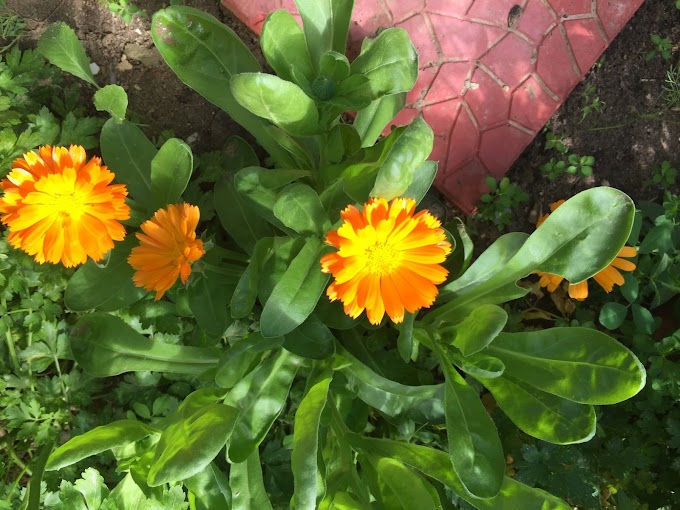
When people think about medicinal plants, herbs like basil, rosemary, mint, or chamomile usually come to mind. Yet one remarkable plant has quietly thrived in gardens for centuries while offering an impressive range of nutritional and traditional wellness benefits. That plant is borage (Borago officinalis).
Although many gardeners recognize borage because of its striking blue, star-shaped flowers that attract bees and butterflies, far fewer realize that the large green leaves have a long history of culinary and traditional medicinal use in parts of Europe and the Mediterranean. For generations, borage leaves have been enjoyed in soups, herbal preparations, and seasonal dishes while also being valued in folk medicine for their soothing properties.
Today, scientists continue studying the plant's nutrients and bioactive compounds to better understand how they may support overall wellness. At the same time, gardeners appreciate borage for its ability to attract pollinators, improve biodiversity, and grow vigorously with minimal care.
If you've ever wondered whether the fuzzy leaves growing beneath those beautiful blue flowers are useful, the answer is yes—but there's much more to the story. Like many traditional herbs, borage has both promising qualities and important safety considerations that every gardener and home herbal enthusiast should understand.
In this comprehensive guide, we'll explore everything you need to know about borage leaves, from their fascinating history and nutritional profile to their potential health benefits, culinary uses, gardening tips, and responsible consumption.
What Are Borage Leaves?

Borage is an annual herb belonging to the Boraginaceae family. Native to the Mediterranean region, it has spread across Europe, North America, and many temperate climates worldwide.
The plant is easy to recognize because of its:
- Large textured green leaves
- Fine white hairs covering stems and foliage
- Bright blue star-shaped flowers
- Upright branching growth
- Cucumber-like aroma
Young leaves are softer and milder in flavor, while mature leaves become larger, thicker, and noticeably hairier.
Many gardeners grow borage solely because its flowers attract bees, but traditional cuisines have long made use of both the flowers and young leaves.
A Brief History of Borage in Traditional Medicine
Borage has been cultivated for well over a thousand years.
Ancient Greek and Roman herbalists believed the herb could uplift the spirit. During the Middle Ages, borage appeared in monastery gardens across Europe, where monks grew it alongside sage, thyme, and other medicinal herbs.
Historically, borage leaves were used in:
- Herbal broths
- Vegetable soups
- Cooling summer drinks
- Herbal teas
- Traditional tonics
- Seasonal spring dishes
Throughout Mediterranean cultures, the young leaves were often harvested in spring when they were most tender.
Traditional herbalists also valued borage as a comforting herb during periods of physical stress and seasonal discomfort, though many of these historical uses have not been conclusively confirmed by modern clinical research.
Why Is Borage Becoming Popular Again?
Interest in natural wellness has encouraged many people to rediscover lesser-known edible plants.
Several reasons explain why borage is returning to home gardens:
Growing Interest in Medicinal Plants
People increasingly want to grow herbs that provide more than ornamental beauty.
Borage offers:
- Attractive flowers
- Pollinator support
- Edible leaves
- Culinary value
- Traditional medicinal history
This combination makes it especially appealing for organic gardeners.
A Rich Nutritional Profile
Researchers have identified several nutrients naturally present in borage leaves, including:
- Vitamin C
- Calcium
- Potassium
- Magnesium
- Iron
- Dietary fiber
- Chlorophyll
- Various plant antioxidants
While nutrient levels vary depending on soil, climate, and leaf maturity, these components contribute to the plant's reputation as a nutrient-dense leafy herb.
Interest in Anti-Inflammatory Foods
Modern diets increasingly emphasize foods rich in naturally occurring antioxidants and anti-inflammatory compounds.
Although borage seed oil is the best-known source of gamma-linolenic acid (GLA), the leaves also contain plant compounds that continue to be studied for their biological activity.
Researchers are exploring how these compounds may interact with the body's inflammatory pathways, though more high-quality human studies are needed before drawing firm conclusions.
Nutritional Value of Borage Leaves

Fresh borage leaves are relatively low in calories while providing a variety of vitamins, minerals, and phytochemicals.
They contain:
Vitamin C
Vitamin C supports:
- Normal immune function
- Collagen production
- Skin maintenance
- Antioxidant defense
Calcium
Calcium contributes to:
- Healthy bones
- Muscle function
- Nerve signaling
- Teeth maintenance
Magnesium
Magnesium participates in hundreds of biochemical reactions throughout the body, including:
- Energy production
- Muscle relaxation
- Protein synthesis
- Nervous system function
Potassium
Potassium helps maintain:
- Healthy fluid balance
- Normal muscle contractions
- Proper nerve function
- Healthy blood pressure when consumed as part of a balanced diet
Iron
Iron plays an essential role in oxygen transport and energy metabolism.
Plant-based sources of iron are often better absorbed when eaten alongside vitamin C-rich foods, making borage's natural vitamin C content particularly interesting.
Dietary Fiber
Fiber supports:
- Healthy digestion
- Regular bowel movements
- Beneficial gut bacteria
- Satiety after meals
Rich in Plant Antioxidants
Plants naturally produce protective compounds to defend themselves against environmental stress.
Many of these same compounds may help neutralize free radicals in the human body.
Borage leaves contain several antioxidant compounds that researchers continue investigating, including:
- Flavonoids
- Phenolic compounds
- Chlorophyll
- Carotenoids
A diet rich in antioxidant-containing fruits and vegetables is associated with overall health, although no single food should be viewed as a cure or preventive treatment for disease.
Potential Health Benefits of Borage Leaves
1. May Help Support a Healthy Inflammatory Response
Inflammation is a normal part of the body's healing process. However, chronic, persistent inflammation is associated with many long-term health conditions.
Some laboratory and traditional evidence suggests that compounds found in borage may help support the body's natural inflammatory balance. This is one reason the plant has historically been used in herbal practices.
It's important to note that much of the stronger evidence for anti-inflammatory effects relates to borage seed oil, which contains higher concentrations of gamma-linolenic acid (GLA), rather than the leaves themselves. Research specifically on borage leaves is more limited.
2. Provides Natural Antioxidants
Every day, our bodies encounter oxidative stress from normal metabolism and environmental factors.
Antioxidants help neutralize unstable molecules called free radicals.
Eating a wide variety of colorful fruits, vegetables, and herbs—including leafy greens like borage—can contribute to an antioxidant-rich diet that supports overall health.
3. Supports Healthy Skin
Traditional herbalists frequently associated borage with skin wellness.
Modern researchers continue investigating whether compounds associated with borage may help support healthy skin by contributing to normal inflammatory balance and hydration. Again, much of the clinical research has focused on purified borage seed oil rather than the leaves.
Healthy skin also benefits from a balanced diet rich in vitamins, minerals, hydration, and healthy fats.
4. Traditionally Used to Soothe the Respiratory System
Historically, borage leaves were used in warm broths and herbal preparations intended to provide comfort during seasonal respiratory discomfort.
While these traditional uses are part of the plant's history, there is currently limited high-quality clinical evidence confirming specific respiratory benefits from consuming borage leaves.
Warm fluids, hydration, and overall nutrition remain important supportive measures during mild seasonal illnesses.
5. May Contribute to Overall Wellness
Rather than relying on one "miracle" plant, many nutrition experts emphasize the value of eating a diverse range of vegetables and herbs.
As part of a balanced diet, nutrient-rich leafy herbs like borage can contribute vitamins, minerals, fiber, and plant compounds that support general health.
Why Gardeners Love Growing Borage

Even if you never harvest the leaves, borage is one of the most rewarding plants to grow.
Benefits include:
- Attracts bees
- Supports butterflies
- Encourages beneficial insects
- Produces edible flowers
- Self-seeds easily
- Improves garden biodiversity
- Adds beauty to vegetable beds
- Thrives in many climates
- Grows rapidly from seed
Many gardeners also plant borage near tomatoes, squash, cucumbers, and strawberries to encourage pollinator activity.
Is It Safe to Eat Borage Leaves?
This is one of the most important questions—and it deserves a careful answer.
While borage leaves have a history of culinary use, the plant naturally contains pyrrolizidine alkaloids (PAs), compounds that can be harmful to the liver if consumed in significant amounts or over long periods. The concentration can vary between plants and plant parts.
For this reason:
- Avoid eating large quantities of borage leaves regularly.
- If using borage products, choose PA-free preparations specifically intended for consumption.
- Pregnant or breastfeeding individuals, young children, and people with liver disease should avoid consuming borage unless advised by a qualified healthcare professional.
- Always verify that any plant you harvest is correctly identified and grown without harmful pesticides or contaminants.
When used in cooking, many traditional recipes call for young leaves, often cooked rather than eaten raw, which can improve texture. However, cooking does not reliably eliminate pyrrolizidine alkaloids.
How to Grow Healthy Borage Leaves at Home

Unlike many herbs that require constant care, borage is remarkably forgiving. Once established, it tolerates periods of drought, attracts beneficial insects, and often reseeds itself naturally, giving gardeners new plants year after year.
If your goal is to harvest large, healthy leaves, understanding the plant's preferred growing conditions will help you achieve vigorous growth.
Choosing the Right Location
Borage thrives in full sun but can also tolerate partial shade, particularly in regions with very hot summers.
For the healthiest plants, choose a location that provides:
- At least 6–8 hours of sunlight daily
- Good air circulation
- Well-drained soil
- Protection from prolonged waterlogging
Morning sun with light afternoon shade can help reduce stress during periods of intense summer heat.
The Best Soil for Borage
Borage isn't particularly demanding when it comes to soil quality.
It grows well in:
- Loamy soil
- Sandy soil
- Slightly clay-rich soil (if drainage is adequate)
The ideal soil should be:
- Loose
- Rich in organic matter
- Slightly moist
- Well-draining
Adding homemade compost before planting helps improve both fertility and soil structure.
Planting Borage from Seed
Growing borage from seed is surprisingly simple.
Because the plant develops a long taproot, direct sowing is often more successful than transplanting mature seedlings.
Steps for Direct Sowing
- Wait until the danger of frost has passed.
- Loosen the soil.
- Sow seeds about ¼ to ½ inch (6–12 mm) deep.
- Space seeds 12–18 inches (30–45 cm) apart.
- Water gently.
- Keep the soil lightly moist until germination.
Seeds typically germinate within one to two weeks, depending on soil temperature.
Watering Requirements
Borage prefers consistent moisture while young.
Once established, it becomes relatively drought tolerant.
For healthy leaf production:
- Water deeply rather than frequently.
- Allow the top layer of soil to dry slightly between waterings.
- Avoid constantly soggy soil.
Deep watering encourages stronger root development.
Fertilizing Borage
One advantage of growing borage is that it generally requires very little fertilizer.
Excess nitrogen may produce lush foliage but can reduce flower production.
Instead:
- Add compost before planting.
- Side-dress with compost midway through the season if needed.
- Avoid excessive synthetic fertilizers.
Healthy soil usually provides everything the plant needs.
Harvesting Borage Leaves

Timing is important when harvesting borage.
Young leaves are:
- Softer
- Less hairy
- More tender
- Milder in flavor
Older leaves become thicker and noticeably fuzzy.
For culinary purposes, gardeners generally harvest leaves while they're still relatively young.
Harvest Tips
✔ Harvest during the cool morning hours.
✔ Use clean scissors or garden snips.
✔ Never remove more than one-third of the plant at a time.
✔ Continue harvesting regularly to encourage fresh growth.
Frequent harvesting often results in bushier plants with more usable foliage.
Watch 📹
Can You Eat Raw Borage Leaves?
Young borage leaves have traditionally been eaten raw in small amounts in salads and cold dishes because of their refreshing cucumber-like flavor.
However, many people prefer cooking the leaves because:
- Cooking softens the fuzzy texture.
- The flavor becomes milder.
- Leaves blend well into soups and stews.
Regardless of preparation, keep in mind the safety considerations discussed in Part 1. Borage contains naturally occurring pyrrolizidine alkaloids (PAs), so it should not be consumed in large amounts or over extended periods, and only PA-free commercial products intended for consumption should be used where applicable.
Traditional Culinary Uses Around the World
For centuries, different cultures have incorporated borage into seasonal cooking.
Some traditional uses include:
Mediterranean Soups
Young leaves are simmered with vegetables and herbs.
The mild cucumber flavor complements potatoes, beans, onions, and carrots.
Stuffed Pastries
In parts of Italy and Spain, cooked borage leaves have traditionally been used as fillings for savory pastries.
Spring Vegetable Dishes
Fresh spring leaves have historically been mixed with:
- Spinach
- Swiss chard
- Kale
- Beet greens
This combination creates nutrient-rich seasonal meals.
Herbal Drinks
Historically, borage occasionally appeared in refreshing herbal beverages. Modern use should be approached with caution because of the naturally occurring PAs in the plant, and consumption should be moderate.
Flavor Profile of Borage Leaves
Many gardeners are surprised by the taste.
The leaves have a flavor often described as:
- Fresh
- Mild
- Slightly salty
- Similar to cucumber
The younger the leaf, the more delicate its taste.
Why Pollinators Love Borage

One of borage's greatest contributions to any garden isn't just its edible leaves.
It's the incredible number of pollinators it attracts.
Throughout the flowering season, you'll often see:
🐝 Honeybees
🦋 Butterflies
🐝 Native bees
🐞 Beneficial insects
These pollinators benefit nearby vegetables and fruit crops by improving pollination.
Many experienced gardeners plant borage specifically to increase activity around:
- Tomatoes
- Squash
- Cucumbers
- Pumpkins
- Melons
- Strawberries
Watch 📹
Borage as a Companion Plant
Companion planting involves growing different plants together to support healthier gardens.
Borage is often considered an excellent companion because it:
- Attracts pollinators
- Encourages beneficial insects
- Adds organic matter when composted
- Helps diversify the garden ecosystem
Although some gardeners report fewer pest problems when borage is nearby, scientific evidence for specific pest-repellent effects is limited, so these observations should be viewed as anecdotal rather than guaranteed.
Borage and Biodiversity
Modern gardening increasingly focuses on creating healthy ecosystems rather than simply producing vegetables.
Borage contributes by supporting:
- Pollinator populations
- Soil organisms
- Beneficial insects
- Natural food webs
Even a single borage plant can become a busy feeding station for bees throughout the summer.
The Potential Role of Borage in an Anti-Inflammatory Diet
Many people today seek foods that support a balanced, nutrient-rich eating pattern.
While no single plant can eliminate inflammation, a diet emphasizing vegetables, fruits, whole grains, legumes, nuts, and herbs may help support normal inflammatory processes.
Borage leaves contribute:
- Antioxidants
- Vitamin C
- Minerals
- Fiber
- Various phytochemicals
These nutrients fit well within an overall healthy dietary pattern.
It's important to distinguish traditional use from clinical evidence. Stronger research on inflammation has focused on borage seed oil (a source of gamma-linolenic acid, or GLA), while evidence specific to the leaves remains limited.
Antioxidants and Everyday Wellness
Our bodies constantly produce free radicals during normal metabolism.
Additional oxidative stress comes from factors such as:
- Air pollution
- UV exposure
- Smoking
- Poor dietary habits
- Chronic stress
Antioxidants found naturally in plant foods help protect cells from oxidative damage.
Eating a variety of colorful vegetables, herbs, and fruits—including leafy greens like borage in appropriate amounts—supports an antioxidant-rich diet.
Borage Leaves and Skin Health
Healthy skin depends on many factors, including:
- Balanced nutrition
- Hydration
- Sleep
- Sun protection
- Genetics
Borage has traditionally been associated with skin wellness, and research on borage seed oil suggests that its GLA content may support skin barrier function in certain contexts.
The leaves provide vitamins and antioxidants, but there is much less direct evidence supporting specific skin benefits from eating the leaves themselves.
Borage Leaves and Respiratory Comfort
Traditional European herbal practices sometimes included borage in warm broths and herbal preparations intended to provide comfort during seasonal respiratory discomfort.
Today, this history remains of interest, but modern clinical evidence confirming respiratory benefits from borage leaves is limited.
Warm fluids, adequate hydration, and appropriate medical care remain important when managing respiratory illnesses.
Common Myths About Borage Leaves
As borage becomes more popular online, it's easy to encounter exaggerated claims. Let's separate fact from fiction.
Myth 1: Borage Cures Chronic Diseases
There is no reliable scientific evidence that borage leaves cure chronic diseases. They can be part of a healthy diet but should never replace prescribed medical treatments.
Myth 2: More Is Better
Because borage naturally contains pyrrolizidine alkaloids, consuming large quantities is not recommended. Moderation is important.
Myth 3: All Parts of the Plant Are Equally Safe
Different parts of the plant contain different compounds, and PA levels can vary. Commercial products labeled PA-free are specifically processed to reduce these compounds, whereas homegrown leaves are not PA-free by default.
Myth 4: Borage Needs Constant Care
In reality, borage is one of the easiest herbs to grow, requiring relatively little maintenance once established.
Preserving Borage Leaves

If you have a plentiful harvest, there are several ways to preserve the leaves.
Refrigeration
Fresh leaves can be stored in the refrigerator for a few days, wrapped in a damp paper towel inside a breathable container or bag.
Freezing
Blanch young leaves briefly, cool them in ice water, drain well, and freeze in airtight containers for later use in cooked dishes.
Drying
Drying is less common because the leaves lose much of their flavor and texture, but it can be done for decorative or traditional herbal purposes. Drying does not remove pyrrolizidine alkaloids.
The Science Behind Borage Leaves
Borage (Borago officinalis) has fascinated herbalists for centuries, but today it is also attracting the attention of botanists, nutritionists, and medical researchers. Scientists continue to investigate the plant's complex mixture of vitamins, minerals, antioxidants, and other naturally occurring compounds to better understand its potential role in human health.
It's important to distinguish between traditional use, laboratory research, animal studies, and human clinical trials. While laboratory findings are promising in some areas, more high-quality studies involving people are needed to confirm many of the claimed benefits of borage leaves.
One area where stronger research exists is borage seed oil, which is rich in gamma-linolenic acid (GLA). The leaves, however, have a different composition and should not be assumed to provide the same effects as the oil.
Plant Compounds Found in Borage Leaves
Like many leafy green herbs, borage leaves contain a wide range of naturally occurring phytochemicals.
These include:
- Polyphenols
- Flavonoids
- Chlorophyll
- Carotenoids
- Organic acids
- Dietary fiber
- Vitamin C
- Essential minerals
Each of these compounds contributes to the plant's nutritional profile.
Rather than acting individually, these nutrients work together as part of a healthy dietary pattern.
Why Antioxidants Matter
Every second, billions of chemical reactions occur inside the human body.
Some of these reactions naturally produce unstable molecules known as free radicals.
When free radicals accumulate faster than the body can neutralize them, oxidative stress may increase.
Oxidative stress has been linked with aging and many chronic diseases.
Fortunately, plants naturally produce antioxidants that help protect their own cells—and when consumed as part of a varied diet, antioxidant-rich foods may help support the body's own defense systems.
Borage leaves contribute to this dietary diversity alongside vegetables such as spinach, kale, and Swiss chard.
Vitamin C: A Valuable Nutrient
Vitamin C is one of the best-known nutrients present in borage leaves.
This vitamin supports many normal body functions, including:
Collagen Formation
Collagen is an essential structural protein found in:
- Skin
- Bones
- Blood vessels
- Tendons
- Cartilage
Adequate vitamin C intake is necessary for normal collagen production.
Immune Function
Vitamin C contributes to the normal function of the immune system.
While no single food can prevent illness, consuming a balanced diet rich in fruits and vegetables helps support overall immune health.
Antioxidant Protection
Vitamin C also functions as an antioxidant, helping protect cells from oxidative damage.
The Importance of Minerals
Borage leaves provide several minerals that contribute to normal body functions.
Calcium
Supports:
- Bone strength
- Muscle contraction
- Blood clotting
- Cellular communication
Magnesium
Magnesium is involved in over 300 enzymatic reactions, including:
- Energy production
- Muscle relaxation
- Nerve function
- Protein synthesis
Potassium
Potassium contributes to:
- Fluid balance
- Muscle function
- Normal blood pressure when consumed as part of a balanced diet
- Nerve signaling
Iron
Iron supports healthy red blood cells by helping transport oxygen throughout the body.
Because plant-based iron is generally absorbed less efficiently than iron from animal sources, pairing leafy greens with vitamin C-rich foods can improve absorption.
Fiber: An Unsung Hero
Fiber often receives less attention than vitamins, yet it plays a major role in digestive health.
A diet rich in fiber may help:
- Support regular bowel movements
- Feed beneficial gut bacteria
- Increase feelings of fullness
- Promote healthy digestion
When included in moderation and as part of a varied diet, leafy greens like borage contribute to total daily fiber intake.
Traditional Herbal Uses Through the Centuries
Long before modern laboratories existed, people relied on careful observation and generations of experience to identify useful plants.
Throughout Europe and the Mediterranean, borage became associated with:
- Comforting broths
- Seasonal herbal preparations
- Spring cleansing meals
- Cooling summer dishes
- Traditional tonics
Historical records often describe borage as a plant believed to "comfort the heart" or "cheer the spirit." These descriptions reflect traditional beliefs rather than conclusions from modern clinical research.
Borage Leaves in Modern Herbal Practices
Today, herbalists continue to value borage primarily because of its long history of use.
Some people include small amounts of young leaves in recipes or choose commercially prepared products specifically labeled as PA-free when appropriate.
However, because borage naturally contains pyrrolizidine alkaloids (PAs), reputable herbal practitioners generally recommend moderation and emphasize informed use rather than daily, long-term consumption of the leaves.
Comparing Borage Leaves with Other Nutritious Greens
Every leafy vegetable offers its own nutritional strengths.
Here's how borage compares in general terms:
Borage vs. Spinach
Spinach is widely recognized for its iron, folate, and vitamin K content.
Borage offers a different profile, contributing vitamin C, minerals, and unique phytochemicals, though it is not intended to replace staple leafy greens.
Borage vs. Kale
Kale is exceptionally rich in vitamins A, C, and K.
Borage complements a diverse diet by adding different flavors and plant compounds.
Borage vs. Swiss Chard
Swiss chard provides magnesium and colorful antioxidants.
Young borage leaves can add a mild cucumber-like flavor to cooked dishes alongside chard.
Borage vs. Nettles
Stinging nettles have a long history as a traditional food and herbal plant.
Like nettles, borage has been valued historically, but the presence of PAs in borage means its use requires greater caution.
Cooking with Borage Leaves
Although the flowers often receive most of the attention, young leaves can also be used in the kitchen.
Traditional recipes commonly feature cooked leaves because heat softens their fuzzy texture, even though cooking does not eliminate naturally occurring pyrrolizidine alkaloids.
Simple Recipe Ideas
Garden Vegetable Soup
Young borage leaves pair well with:
- Potatoes
- Carrots
- Celery
- Onions
- Garlic
- Herbs
Add the leaves near the end of cooking to preserve their delicate flavor.
Spring Herb Omelet
Finely chopped young leaves can be mixed with:
- Parsley
- Chives
- Dill
- Eggs
Cook gently until set.
Green Smoothies?
Some online recipes suggest adding raw borage leaves to smoothies. Because of the plant's naturally occurring PAs, this is not something that should be done routinely. If you choose to use borage, moderation and attention to safety are important.
Growing Borage Organically

Organic gardening practices can help produce vigorous plants while reducing unnecessary chemical inputs.
Consider these techniques:
Improve Soil Naturally
Use:
- Compost
- Leaf mold
- Well-rotted manure
- Organic mulch
Healthy soil encourages healthy plants.
Water Wisely
Water deeply in the morning.
Avoid wetting foliage late in the evening, as prolonged moisture can encourage fungal diseases.
Encourage Pollinators
Avoid unnecessary pesticide use.
Plant flowers nearby, such as:
- Calendula
- Cosmos
- Zinnias
- Lavender
- Sunflowers
A pollinator-friendly garden benefits both borage and surrounding crops.
Common Gardening Mistakes
Even easy plants benefit from proper care.
Planting Too Close Together
Crowded plants have poor air circulation, increasing disease risk.
Allow approximately 12–18 inches (30–45 cm) between plants.
Overwatering
Borage dislikes waterlogged soil.
Allow the surface to dry slightly before watering again.
Harvesting Too Late
Older leaves become:
- Tough
- Hairy
- Less enjoyable to eat
Harvest young growth whenever possible.
Ignoring Self-Seeding
Borage readily self-seeds.
If you don't want volunteers next season, remove spent flowers before seeds mature.
Sustainable Gardening Benefits
Growing borage supports environmentally friendly gardening in several ways.
Supports Pollinators
The nectar-rich flowers attract bees throughout the blooming season.
Healthy pollinator populations benefit fruit trees, vegetables, and flowering plants.
Improves Biodiversity
A diverse garden tends to be more resilient.
By including flowering herbs like borage, gardeners create habitats for beneficial insects and other wildlife.
Builds Healthy Soil
At the end of the season, composting borage plants returns organic matter to the soil.
This helps:
- Improve soil structure
- Increase moisture retention
- Feed beneficial microorganisms
Harvesting Seeds for Next Year

Borage produces abundant seeds.
To save them:
- Allow flowers to mature.
- Wait for seed heads to dry.
- Collect seeds before they fall.
- Dry completely.
- Store in labeled paper envelopes in a cool, dry place.
Properly stored seeds often remain viable for several years.
Can Borage Be Grown in Containers?

Absolutely.
Choose a container that is:
- At least 12–16 inches deep
- Well-drained
- Filled with quality potting mix
Because borage develops a taproot, deeper containers generally perform better than shallow pots.
Place the container where it receives plenty of sunlight and water consistently without overwatering.
Frequently Asked Questions About Growing Borage
Does borage come back every year?
Borage is an annual, but it often self-seeds, giving the appearance of returning year after year.
Is borage difficult to grow?
No. It is considered one of the easiest herbs for beginner gardeners.
Do bees really love borage?
Yes. Borage is widely recognized as an excellent nectar source and is highly attractive to many pollinators.
Can I harvest leaves all summer?
Yes, but the youngest leaves are generally the most tender and flavorful.
Looking Beyond the Hype
In recent years, social media has promoted many plants as "miracle cures." While borage has a rich history and contains valuable nutrients, it's important to maintain realistic expectations.
Borage leaves can contribute to a healthy lifestyle when used appropriately, but they are not a substitute for medical care, prescribed medications, or an overall balanced diet. Responsible use means understanding both the plant's traditional value and its safety considerations.
How to Harvest Borage Leaves for the Best Quality
Harvesting borage correctly can make a significant difference in both flavor and texture. While the plant grows quickly throughout the season, timing your harvest ensures you enjoy the freshest, most tender leaves.
Harvest Young Leaves First
Young leaves are generally preferred because they are:
- More tender
- Less fuzzy
- Milder in flavor
- Easier to cook
As the plant matures, the leaves become larger and develop a coarser texture with more noticeable hairs.
Harvest During Cool Hours
The ideal time to harvest is:
- Early morning after the dew has dried
- Before the afternoon heat
This helps preserve freshness and reduces wilting.
Use Clean Garden Tools
Always harvest using sanitized scissors or pruning snips.
Clean cuts:
- Reduce plant stress
- Help prevent disease
- Encourage fresh new growth
How to Store Fresh Borage Leaves
Fresh borage leaves are best used soon after harvesting.
Refrigeration
Wrap the leaves in a slightly damp paper towel and place them in a breathable container or perforated bag.
They typically stay fresh for several days.
Freezing
For longer storage:
- Wash the leaves.
- Blanch briefly.
- Cool in ice water.
- Drain thoroughly.
- Freeze in airtight containers.
Frozen leaves work well in cooked dishes such as soups and stews.
Drying
Although drying is possible, it reduces the fresh cucumber-like flavor and does not remove naturally occurring pyrrolizidine alkaloids (PAs). Fresh or frozen leaves are generally preferred for culinary use.
Can You Grow Borage Indoors?
Yes, although outdoor plants usually perform better.
To grow indoors:
- Place containers near a sunny south-facing window.
- Provide at least 6–8 hours of bright light each day.
- Use a deep pot to accommodate the taproot.
- Ensure excellent drainage.
- Water when the top inch of soil feels dry.
If natural light is limited, a full-spectrum grow light can help support healthy growth.
Borage in a Pollinator-Friendly Garden
One of the greatest advantages of growing borage extends beyond its leaves. Its vivid blue flowers are among the most attractive nectar sources for pollinators.
Adding borage to your garden can help support:
- Honeybees
- Native bees
- Butterflies
- Hoverflies
- Other beneficial insects
A thriving pollinator population often improves the pollination of nearby fruits and vegetables, contributing to a healthier, more productive garden ecosystem.
Companion Planting Ideas
Many gardeners include borage alongside vegetables and herbs to create a diverse planting scheme.
Popular companions include:
- Tomatoes
- Peppers
- Cucumbers
- Squash
- Zucchini
- Strawberries
- Beans
- Basil
- Marigolds
While gardeners frequently report positive experiences with companion planting, the strongest evidence supports borage's role in attracting pollinators rather than directly repelling pests.
Borage Leaves in Sustainable Gardening
Growing borage aligns well with environmentally friendly gardening practices.
Improves Biodiversity
Diverse gardens are generally more resilient to environmental changes.
Borage contributes by supporting pollinators and beneficial insects that play important roles in healthy ecosystems.
Adds Organic Matter
At the end of the season, spent plants can be composted (if they are healthy and disease-free).
Compost made from garden waste helps:
- Improve soil structure
- Increase water retention
- Feed beneficial soil organisms
- Support long-term soil fertility
Requires Minimal Inputs
Compared with many crops, borage:
- Germinates easily
- Grows quickly
- Needs relatively little fertilizer
- Tolerates short dry periods once established
These qualities make it an appealing choice for low-maintenance gardens.
Understanding the Difference Between Borage Leaves and Borage Seed Oil
One of the most common sources of confusion is the difference between the leaves and the seed oil.
Borage Leaves
Traditionally used in cooking and herbal preparations, the leaves provide:
- Vitamin C
- Minerals
- Fiber
- Plant antioxidants
However, they also naturally contain pyrrolizidine alkaloids (PAs), which can pose health risks if consumed in significant amounts or over time.
Borage Seed Oil
Borage seed oil is processed from the seeds and is valued for its gamma-linolenic acid (GLA) content, an omega-6 fatty acid that has been studied for certain inflammatory and skin-related conditions.
Commercial borage seed oil products intended for consumption are typically processed to remove or reduce PAs. Always choose products from reputable manufacturers and follow label directions.
The leaves and the oil should not be considered interchangeable.
Who Should Avoid Consuming Borage Leaves?
Although borage has a long history of traditional use, it is not suitable for everyone.
People who should avoid consuming borage leaves unless advised by a qualified healthcare professional include:
- Pregnant individuals
- Breastfeeding individuals
- Young children
- People with liver disease
- Individuals taking medications that may affect liver function
If you have a medical condition or take prescription medications, consult your healthcare provider before using herbal products.
Frequently Asked Questions (FAQs)
1. Are borage leaves edible?
Yes, young borage leaves have traditionally been eaten in some cuisines. Because the plant naturally contains pyrrolizidine alkaloids (PAs), they should be consumed with caution and not in large or frequent amounts.
2. What do borage leaves taste like?
Young leaves have a mild flavor that is often compared to fresh cucumber, with subtle herbal notes.
3. Are older leaves edible?
They can be cooked, but they are tougher and hairier than young leaves, making them less appealing for most recipes.
4. Do borage leaves reduce inflammation?
Borage contains compounds that are being studied for their biological activity, but much of the stronger evidence relates to borage seed oil, not the leaves. More research on the leaves is needed.
5. Can I grow borage in containers?
Yes. Choose a deep container with good drainage to accommodate the plant's taproot.
6. Is borage difficult to grow?
No. It is widely considered one of the easiest annual herbs for home gardeners.
7. Do bees really love borage?
Absolutely. Borage is an excellent nectar source and is well known for attracting bees and other beneficial pollinators.
8. Can I freeze borage leaves?
Yes. Briefly blanching and freezing the leaves helps preserve them for use in cooked dishes.
9. Does cooking make borage completely safe?
No. Cooking improves texture but does not reliably remove pyrrolizidine alkaloids (PAs).
10. Is borage a superfood?
Borage is a nutrient-rich herb with a long history of traditional use, but no single food is a "miracle" superfood. The greatest health benefits come from eating a balanced diet that includes a wide variety of fruits, vegetables, herbs, whole grains, legumes, nuts, and seeds.
Final Thoughts
Borage leaves remind us that some of the most fascinating plants in the garden are often the ones we overlook. Beyond their beautiful blue flowers, they offer a rich history of culinary and traditional herbal use, a supply of vitamins, minerals, fiber, and antioxidants, and valuable ecological benefits by attracting pollinators and supporting biodiversity.
At the same time, informed use is essential. While traditional practices and emerging research suggest that borage may have interesting properties, the leaves naturally contain pyrrolizidine alkaloids, so they should be consumed cautiously and in moderation. Many of the best-studied health effects associated with borage are linked to purified PA-free borage seed oil, not the leaves themselves.
For home gardeners, borage remains one of the most rewarding herbs to grow. It is easy to cultivate, visually striking, highly attractive to bees, and an excellent addition to pollinator-friendly landscapes. Whether you appreciate it for its ornamental beauty, its role in supporting beneficial insects, or its place in traditional cooking, borage is a plant that deserves thoughtful attention.
By combining centuries of gardening knowledge with modern scientific understanding, you can enjoy the many advantages of borage while making informed decisions about how to grow, harvest, and use it responsibly.
Watch 📹
🛒 SHOP NOW 🛒
Like This: Pin it for Later!

This website is a participant in the Amazon Services LLC Associates Program, an affiliate advertising program designed to provide a means for sites to earn advertising fees by advertising and linking to Amazon. Some of the links to products on this site are affiliate links. These are products that I've used or recommend based from homesteading experience. I do make a small commission (at no extra cost to you) from these sales. (alert-warning)