

Last updated: October 2026
Long before pharmacies existed, people turned to the plants growing around them to ease coughs, calm nerves, soothe skin, and settle stomachs. Many of those plants still sit in herb gardens and on kitchen windowsills today. This guide covers 19 medicinal plants: what each one has traditionally been used for, what modern research does and doesn’t say, and the safety points worth knowing before you try any of them.
This post contains affiliate links. As an Amazon Associate I earn from qualifying purchases, at no extra cost to you.
Health note: this article is for general information and is not medical advice. Herbs can interact with medicines and are not safe for everyone, especially during pregnancy, while breastfeeding, and for young children. Talk to a doctor or pharmacist before using any herb for a health problem.
{getToc} $title={Table of Contents}
What Are Medicinal Plants?
Medicinal plants are plants with a recognized use in health care, either in traditional herbal remedies or as the source of ingredients in modern medicines. Many everyday drugs began as plant compounds, and herbal medicine is among the oldest forms of treatment in human history.
Not every traditional use has been confirmed by science. For some herbs, such as peppermint oil for digestive discomfort, there is reasonable research. For others, the evidence is thin or comes mostly from lab studies and tradition. In this guide I say which is which, so you know what to expect.
Quick Picks: Which Herb for Which Purpose?
- Calming and relaxing: chamomile, lavender, lemon verbena, California poppy
- Digestion: mint, chamomile, sweet marjoram, basil, rosemary
- Sore throat and cough: sage, thyme, mallow, sweet violet
- Skin care: aloe vera, lavender, scented geranium
- Everyday nutrition: nettle, mallow, basil, oregano
- Natural pest deterrent (not for eating): tansy
List of Medicinal Plants and Their Uses
1. Chamomile (Matricaria chamomilla)

Chamomile is probably the best-known calming herb in the world. The dried flower heads are steeped into a mild, apple-scented tea that people traditionally drink in the evening and after meals to relax and settle an upset stomach. Small studies suggest it may help with mild anxiety and sleep quality, though the evidence is still modest.

Caution: chamomile belongs to the daisy family, so people allergic to ragweed, daisies, or chrysanthemums can react to it.
Read next: How to Grow Chamomile
2. Aloe Vera (Aloe vera)

Aloe is a succulent that stores a clear, cooling gel in its thick leaves. That gel is a classic home remedy for sunburn and minor burns, and it appears in many skin lotions. The yellow latex just under the leaf skin is different: it is a strong laxative and not something to experiment with.

Caution: test the gel on a small patch of skin first, don’t use it on deep or infected wounds, and don’t swallow aloe products without professional advice.
3. California Poppy (Eschscholzia californica)

This bright orange wildflower is a relative of the opium poppy, but it doesn’t contain opium or its strong alkaloids. Herbalists have used a tea or tincture of the plant as a mild, traditional calming herb for restlessness and poor sleep. Scientific evidence is limited.
Caution: it may cause drowsiness, so don’t combine it with sedatives, and skip it during pregnancy. Keep it away from children unless a professional advises otherwise.
4. Oregano (Origanum vulgare)

Oregano is far more than a pizza topping. Its leaves are rich in aromatic compounds such as carvacrol and thymol, which show antimicrobial activity in laboratory studies. At home, people traditionally drink oregano tea for coughs and digestive upset. Lab results don’t prove, however, that oregano oil cures infections in people.

Caution: oregano essential oil is very concentrated and must be diluted. Medicinal amounts aren’t advised in pregnancy.
5. Tansy (Tanacetum vulgare)

Tansy has golden, button-like flowers and a sharp scent that insects dislike, which is why gardeners have long used it as a natural pest deterrent. Historically it was also used as a medicine and a flavoring, but it contains thujone, a compound that is toxic in significant amounts.
Caution: don’t eat tansy or drink it as tea, avoid it completely during pregnancy, and wear gloves if your skin is sensitive. In some regions it is considered invasive, so check local guidance before planting it.
6. Lavender (Lavandula angustifolia)

Lavender is grown as much for its scent as for its flowers. Its essential oil is a staple of aromatherapy, and some studies on inhaled lavender oil and standardized oral preparations suggest benefits for mild anxiety and sleep. A cup of tea made from a few dried buds is a gentle way to enjoy it. The name probably comes from the Latin lavare, “to wash”, a nod to its old use in baths and laundry.

Caution: dilute the essential oil in a carrier oil before it touches your skin and never swallow it. Some people get skin irritation.
7. Sweet Marjoram (Origanum majorana)

Sweeter and milder than oregano, sweet marjoram is a Mediterranean kitchen herb that has also been brewed as a tea for digestion and mild nervous tension for centuries. It features in blends such as herbes de Provence and za’atar, and using it generously in food is the easiest way to enjoy it.
Caution: stick to culinary amounts if you’re pregnant, and check with a professional before using concentrated extracts.
8. Feverfew (Tanacetum parthenium)

Despite its name, feverfew is best known today as a traditional herb for migraine prevention. Some clinical trials report fewer migraines with standardized feverfew, while others found little effect, so results are mixed. Fresh leaves are very bitter and may cause mouth sores.
Caution: avoid feverfew in pregnancy, if you take blood thinners, or if you’re allergic to daisy-family plants. Stopping long-term use suddenly can bring headaches back.
9. Sweet Violet (Viola odorata)

Sweet violet is a low, shade-loving plant with fragrant purple flowers. Traditionally, the flowers and leaves were made into syrups and teas to soothe coughs and sore throats, and the blossoms are also used as an edible decoration. Modern research is thin, so think of it as a gentle folk remedy rather than a proven treatment.
Caution: avoid eating the roots or seeds, and be sure of your identification before eating any wild plant.
10. Rosemary (Salvia rosmarinus)

Rosemary is a woody, evergreen shrub that thrives in sun and poor soil, much like the Mediterranean hillsides where it grows wild. Its old Latin name means “dew of the sea”. In the kitchen it flavors roasts and breads, and in traditional medicine, rosemary tea was used for digestion and to refresh the mind. Research on memory and mood is still early.

Caution: stay with food amounts during pregnancy, and ask a pharmacist if you take blood thinners or have epilepsy, since concentrated extracts and oil may be a problem.
11. Sage (Salvia officinalis)

The name Salvia comes from a Latin word meaning “to heal” or “to save”, which tells you how highly sage was once regarded. A tea or gargle made from the leaves is a classic home remedy for sore throats, and the herb is just as useful in stuffing and sauces.

Caution: common sage contains thujone, so avoid large amounts or long-term use. Skip medicinal doses during pregnancy and breastfeeding, since it may reduce milk supply.
12. Basil (Ocimum basilicum)

Sweet basil is usually thought of as a cooking herb, but its leaves contain aromatic oils and antioxidant plant compounds that researchers are studying. A cup of fresh basil tea is a traditional way to ease an upset stomach. Don’t confuse sweet basil with holy basil (tulsi), a different species with its own traditional uses.

Caution: large doses of basil extract or oil aren’t recommended in pregnancy or alongside blood-thinning medication. Fresh leaves are no substitute for proper wound care.
Read next:
- History of Basil
- How to Grow Basil
- Basil and Peppers Companion Planting
- How to Collect Basil Seeds
- How to Harvest Basil
- How to Transplant Basil Seedlings
13. Thyme (Thymus vulgaris)

Thyme is a tough, low-growing herb whose leaves hold thymol, an aromatic compound used in some mouthwashes and cough preparations. A warm thyme tea, often sweetened with honey, is a traditional remedy for coughs and sore throats, and some studies on thyme-based cough syrups are encouraging.
Caution: never swallow thyme essential oil, and dilute it well for skin use. Thyme in food amounts is fine for most people.
14. Mint (Mentha species)

Peppermint and spearmint are the best-known mints. Peppermint tea is a traditional help for indigestion and bloating, and enteric-coated peppermint oil has been studied for irritable bowel symptoms. The cooling aroma also makes mint tea a refreshing breath freshener.

Caution: mint can aggravate heartburn and acid reflux, and peppermint oil shouldn’t be put on the face of babies or young children. Mint spreads fast by runners, so keep it in a pot.
Read next: How to Grow Mint
15. Lemon Verbena (Aloysia citrodora)

Lemon verbena has narrow, rough leaves that smell strongly of lemon candy. Originally from South America (it is also sold as Aloysia triphylla), it is now grown in warm and mild climates worldwide. It makes a soothing, citrusy tea that has traditionally been sipped after meals and in the evening to calm the nerves and settle digestion. Scientific studies are still limited.

Caution: it is generally considered mild as a tea, but keep to moderate amounts, avoid concentrated extracts in pregnancy, and ask a professional first if you have kidney problems.
16. Scented Geranium (Pelargonium graveolens)

Rose-scented geranium is a tender perennial native to southern Africa. Its velvety, strongly scented leaves flavor cakes, sugars, and teas, and the essential oil is popular in perfumery and aromatherapy. Traditionally it has been added to baths and compresses to relax and refresh. Evidence for medicinal effects is limited.

Caution: the oil is concentrated, so dilute it for skin use. Don’t confuse this plant with ordinary bedding geraniums, which aren’t grown for eating.
17. Borage (Borago officinalis)

Borage’s blue, star-shaped flowers are edible and often float in summer drinks, while the leaves taste faintly of cucumber. The seeds are pressed into starflower oil, a source of the fatty acid GLA that is sold as a supplement.

Caution: the plant contains pyrrolizidine alkaloids, which can harm the liver, so don’t eat the leaves regularly. Avoid it in pregnancy and with liver disease, and choose seed oil labeled PA-free.
Read next:
- How to Grow Borage
- Amazing Benefits of Borage Plant
- Borage Seeds
- How to Start Borage Indoors
- How to Transplant Borage Seedlings
- Harvesting Borage Flowers
- The Complete Guide to Borage Leaves
18. Common Mallow (Malva sylvestris)

Mallow is a cheerful plant with pink, purple-veined flowers, native to the Mediterranean region and now naturalized in many places. Its leaves, flowers, and roots contain mucilage, a slippery, gel-like substance, which is why teas and gargles made from mallow have long been used to soothe dry coughs and irritated throats. Young leaves can be cooked like spinach.

Caution: mucilage can slow how quickly some medicines are absorbed, so take medicines an hour or two apart from mallow tea.
Read next: Mallow Plant | How to Grow Mallow
19. Stinging Nettle (Urtica dioica)

Handled with gloves, nettle is one of the most nutritious wild greens, and cooking or drying removes the sting. Nettle leaf tea is a traditional spring tonic. Researchers are looking at the root for prostate symptoms and the leaf for joint discomfort and seasonal allergies, with mixed results so far.

Caution: nettle may interact with blood thinners, blood pressure and diabetes medicines, and diuretics, and it isn’t advised in pregnancy.
Read next:
- The Amazing Health Benefits of Stinging Nettle
- Amazing Benefits of Stinging Nettle (video)
- How to Harvest Stinging Nettle Leaves
How to Use Medicinal Herbs at Home
- Herbal tea (infusion): use 1 to 2 teaspoons of dried herb (or 2 to 3 of fresh) per cup of hot water, cover, and steep for 5 to 10 minutes.
- Gargle: let a strong cup of sage, thyme, or mallow tea cool to a comfortable temperature, then gargle and spit.
- Compress: soak a clean cloth in cooled tea and hold it on the skin for a few minutes.
- In the kitchen: cooking with herbs is the easiest and safest way to use them regularly.
- Essential oils: these are highly concentrated. Dilute them in a carrier oil for skin use, and don’t swallow them.
Safety First: Before You Use Any Medicinal Plant
- Ask a doctor or pharmacist first if you take regular medicines, are pregnant or breastfeeding, or are treating a child.
- Start with one herb at a time and a small amount, so you can spot a reaction.
- Be sure of the plant’s identity before eating anything wild, and only harvest from places free of pesticides and traffic fumes.
- Herbs support everyday wellbeing. They don’t replace medical care, so see a doctor for symptoms that are severe or don’t go away.
Growing Your Own Medicinal Herb Garden
Many plants on this list are easy to grow, and picking them fresh from your own garden means you know exactly how they were grown.
- Sun lovers with well-drained soil: rosemary, sage, thyme, oregano, sweet marjoram, and lavender prefer full sun and don’t like soggy roots.
- Moisture lovers: mint and mallow like regular water, and mint is best kept in a pot so it doesn’t take over.
- Shade-tolerant: sweet violet and nettle cope with partial shade.
- Tender plants: lemon verbena, scented geranium, and aloe vera dislike frost, so grow them in pots you can bring indoors.
Harvest in the morning, after the dew has dried and before the day gets hot. Dry herbs in small bunches in a shady, airy spot, then store them in airtight jars away from light. They keep their flavor for about a year.
Medicinal Plants FAQs
What are the most common medicinal plants?
Chamomile, peppermint, lavender, aloe vera, sage, thyme, and nettle are among the most widely used, and most of them are easy to grow at home.
Which medicinal plants are easiest to grow?
Mint, oregano, thyme, sage, and lavender are very forgiving. Mint spreads aggressively, so give it its own pot.
Are medicinal plants safe?
Many are safe in food or tea amounts for most healthy adults, but “natural” does not mean risk-free. Some herbs, such as tansy, are toxic if eaten, and others interact with medicines, so check first.
Can I use fresh herbs instead of dried?
Yes. As a rule of thumb, use about three times as much fresh herb as dried.
Which herbs are used for relaxation and sleep?
Chamomile, lavender, lemon verbena, and California poppy are the traditional favorites. Evidence is modest, but a warm cup in the evening is a pleasant routine.
Which herbs are traditionally used for a sore throat?
Sage, thyme, and mallow teas are classic gargles and warm drinks. See a doctor if a sore throat lasts more than a few days or comes with fever.
Sources and Further Reading
For reliable, science-based information on herbs, safety, and drug interactions, these pages from the U.S. National Institutes of Health (NIH) are a good place to start:
- NCCIH: Herbs at a Glance: short fact sheets on individual herbs, covering what the research says and what to watch out for.
- NCCIH: Using Dietary Supplements Wisely: how to judge whether an herbal product is safe and worth trying.
- NCCIH: Are You Considering a Complementary Health Approach?: questions to ask yourself and your health care provider before you start.
Medicinal Herb Books and Supplies I Recommend
Explore these helpful books and supplies for growing, harvesting, and using medicinal herbs.
Affiliate links below. As an Amazon Associate I earn from qualifying purchases.

A beginner-friendly guide to 33 healing herbs, with advice on how to know, grow, and use each one.

A hands-on guide to making your own herbal preparations at home, from teas to tinctures and salves.
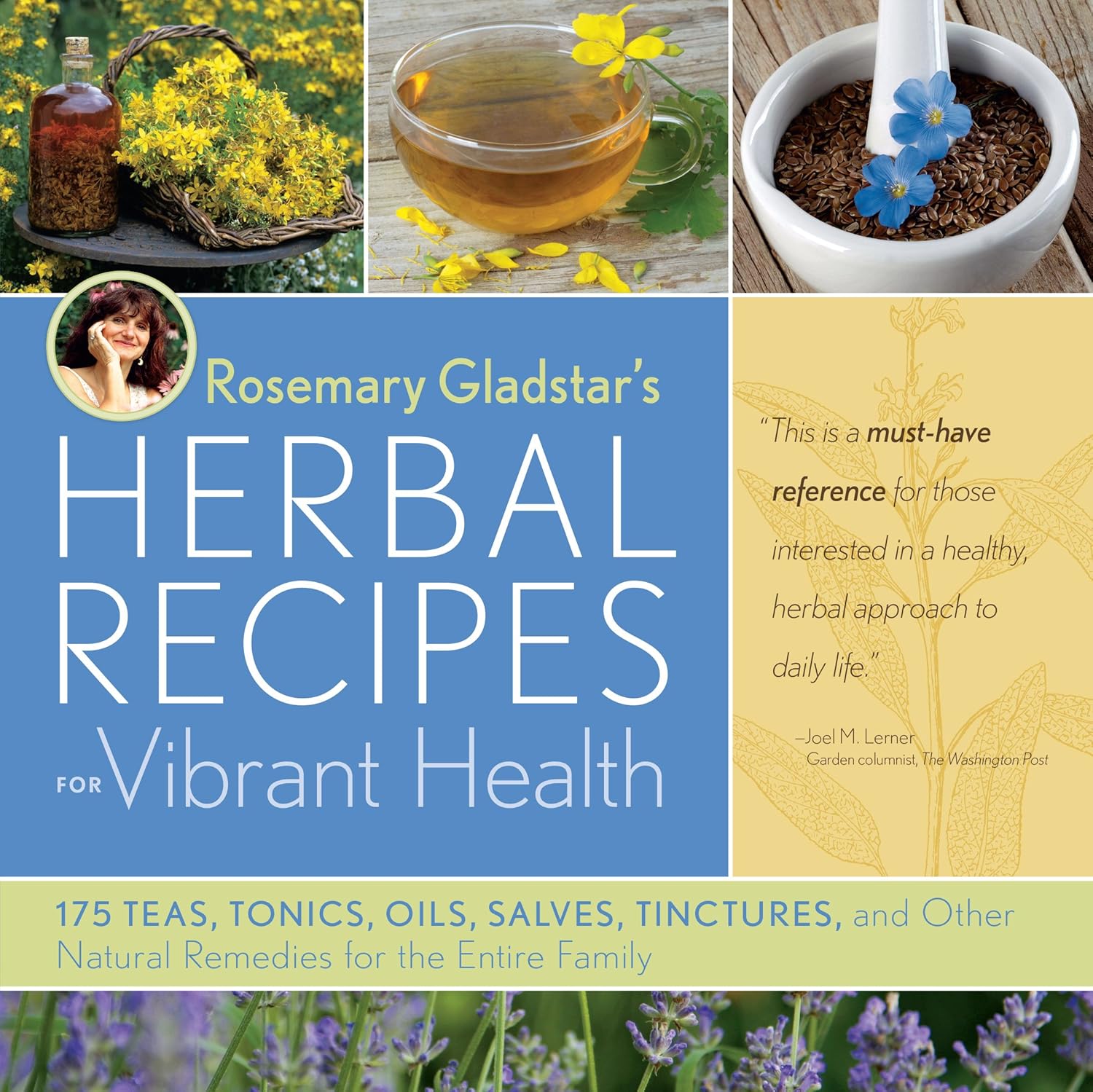
175 recipes for teas, tonics, oils, salves, and tinctures that the whole family can use.

A photo-rich guide to growing 30 healing plants and turning them into 70 wellness recipes.

Sharp, clean snips let you harvest mint, sage, thyme, and other herbs without crushing the stems.

Useful for picking stinging nettle and other scratchy plants, and for everyday work in the herb bed.
Final Thoughts
Medicinal plants have earned their place in gardens and kitchens over thousands of years. Start with a few easy herbs like mint, thyme, and chamomile, learn what each one is good for, and respect the cautions. If you’re treating a health problem, let a professional guide the plan.
Watch: The Benefits of Borage
Never miss out on future posts by following us! drop a comment below with what you're growing this season, and let’s grow something beautiful together. 🌱✨
🛒 Browse medicinal herbs and plants books on Amazon 🛒
This website is a participant in the Amazon Services LLC Associates Program, an affiliate advertising program designed to provide a means for sites to earn advertising fees by advertising and linking to Amazon. Some of the links to products on this site are affiliate links. These are products that I’ve used or recommend based on my homesteading experience. I do make a small commission (at no extra cost to you) from these sales. {alertInfo}
This comment has been removed by a blog administrator.
ReplyDeleteYes for sure!
ReplyDelete